


Welcome to Anchor Change
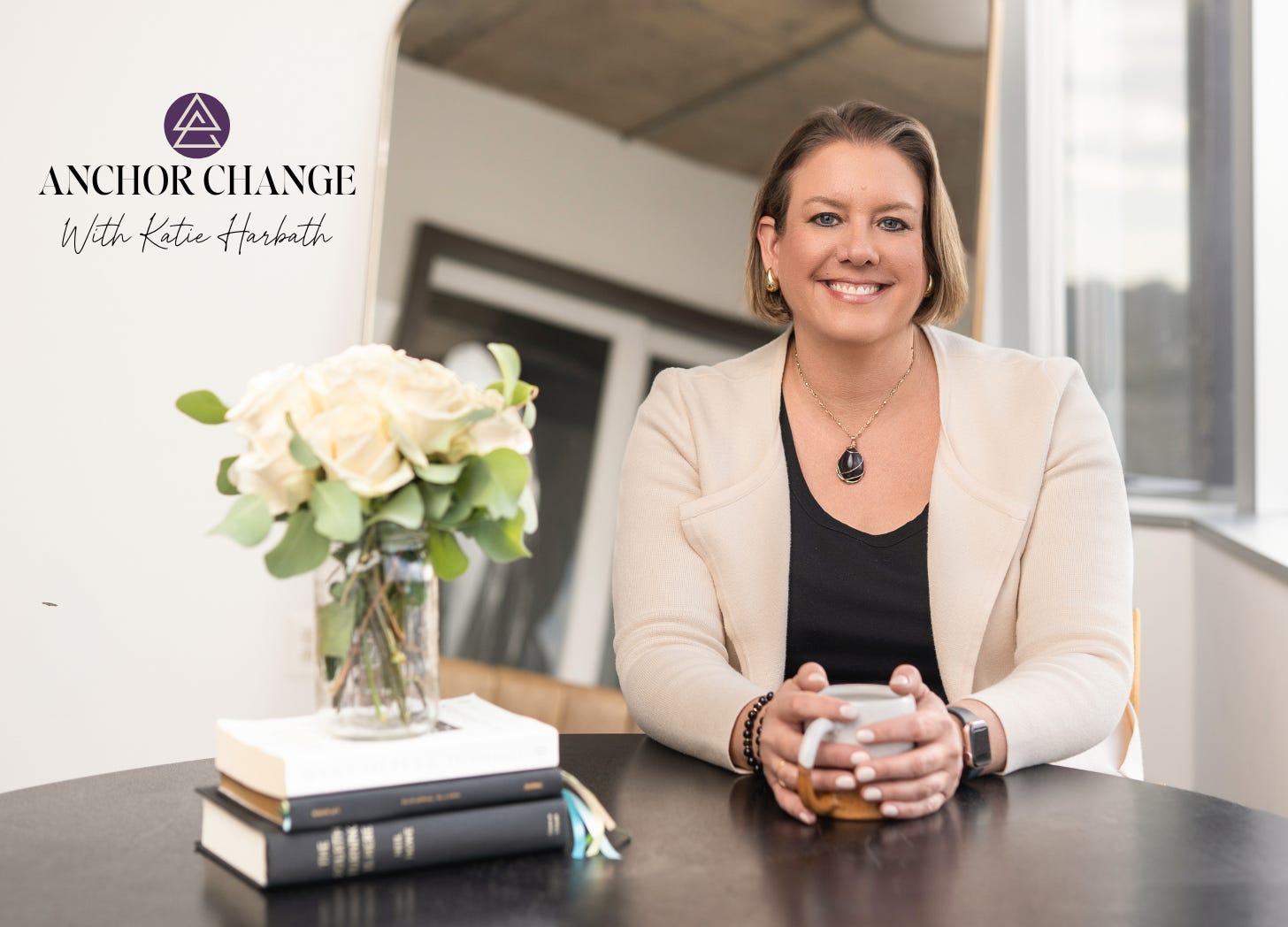
I grew up in Green Bay, Wisconsin. I wanted to be a journalist. At 13, I won a library reading contest and parlayed it into an internship writing a teen section for the local paper. At 23, I moved to Washington with no job and wrote a memo that turned into building one of the Republican National Committee’s first digital operations from scratch.
That’s been the pattern ever since. Walk into a room where something important doesn’t exist yet. Build it.
At Facebook, that meant creating the global elections infrastructure — coding Election Day reminders for every country on earth, largely alone, for two years before a product team existed. Flying to the EU Parliament. Meeting with heads of state across four continents. Running the whole operation through 2016, Cambridge Analytica, and the congressional hearings, while the world was trying to decide whose fault it all was.
I left in 2021 with one client confirmed — the Bipartisan Policy Center — and a clear sense of what I was going to build. I've been independent since — consulting for tech companies, nonprofits, and policy organizations; advising on governance and elections; speaking at universities and conferences globally; and writing this newsletter.
Foreign Policy called me the “election whisperer to the tech industry.” Kara Swisher said she likes me very much. My work has been featured on 60 Minutes, The New York Times, The Wall Street Journal, CNN, The Washington Post, and Axios.
Disrupting Politics: A Front Row Seat at the Collision of Technology and Democracy — my book about all of it — publishes fall 2026.
Why Anchor Change exists
Most coverage of technology and democracy comes from one vantage point. Journalists who covered it. Academics who studied it. Advocates who protested it.
I’ve been inside the platform. Inside the campaigns. Inside the regulatory conversations. On both sides of the political line — credible with conservatives because of where I started, credible with progressives because I’ve been honest about what Facebook got wrong, credible with the platforms because I understand their constraints, and credible with their critics because I’ve been consistent about where they failed.
Anchor Change is where I bring all of that together. The synthesis. The patterns. The early warnings about where things are headed — before they arrive.
What you get here
Free newsletter + podcast: Weekly analysis on what’s happening at the intersection of tech, politics, and democracy. The podcast is part of that — conversations with platform leaders, campaign strategists, researchers, and policymakers. Both available to everyone.
Paid newsletter ($50/year): The teaching layer. How I actually think, operate, and navigate this space — for people building expertise and career capital in tech policy, trust and safety, or independent consulting. Behind the scenes of the book. Less than a dollar a week.
Briefing Network ($500/month): For senior practitioners who need the interpretation layer that doesn’t exist in the public conversation, plus a high-signal peer room to think it through. Live briefings, structured peer discussion, curated introductions. 40 seats. Launching May 21.
Work with me directly: Speaking, executive briefings, and fractional advisory for organizations that need more than analysis. [Learn more here.]
A note on why I do this
I could have taken the safer path after Facebook. Stayed quiet. Let the record speak for itself.
I didn’t, because I think the people navigating these decisions — inside tech companies, inside governments, inside civil society — deserve honest analysis from someone who’s actually been there. Not the polished public stance. The real version.
That’s what this is. And the framework underneath all of it is what I call panicking responsibly — not pretending the risks aren’t real, not letting fear drive the decisions, but doing the hard thinking before the crisis arrives so you have real options when it does.
I’m glad you found this place.
Frequently Asked Questions
Who is Katie Harbath? I’m the founder of Anchor Change and a consultant, speaker, and writer focused on the intersection of technology and democracy. I spent a decade at Facebook building and leading global elections work, and before that worked in Republican politics — the RNC, presidential campaigns, and Senate races. I’ve been independent since 2021.
What makes your perspective different from other people covering this space? Most voices on tech and democracy arrived after 2016 and treat every development as if it has no precedent. I’ve been in this space since 2004 — before YouTube existed. I hold campaign operations, platform governance, trust and safety, and international elections simultaneously, from inside all of them. And I’m trusted by both sides of the political line, which is rarer than it sounds and documented over 25 years.
What is Anchor Change? A newsletter, a podcast, and a briefing network covering the intersection of technology and democracy — elections, AI, content moderation, platform policy, and trust and safety. I also write about building a career in this space and how I'm actually using AI in my work. Beyond the newsletter, I work directly with organizations — tech companies, think tanks, and policy organizations — on speaking, executive briefings, and advisory work. If you're looking for that kind of engagement, you can learn more here.
What is “panic responsibly”? It’s the framework underneath everything I do. The risks in AI, elections, and platform governance are real — pretending otherwise isn’t useful. But panic isn’t a strategy either. Panic responsibly means staying clear-eyed about what actually matters, doing the hard thinking before the crisis arrives, and keeping moving when others freeze. It’s also the name of my next book.
What is Disrupting Politics? My first book — Disrupting Politics: A Front Row Seat at the Collision of Technology and Democracy — traces 25 years at the collision of tech and politics, from early campaign digital work through the Facebook years and into the AI era. It publishes fall 2026.
Who is this for? People who need to make decisions at the intersection of technology and democracy — not just follow the headlines. If you work in tech policy, government affairs, campaigns, trust and safety, journalism, or civil society, you’re in the right place. So is anyone who wants to understand what’s actually happening and why it matters.
Have you been quoted or featured in the press? My analysis has been featured on 60 Minutes, The New York Times, The Wall Street Journal, CNN, The Washington Post, Axios, and more. Foreign Policy called me the “election whisperer to the tech industry.”
More questions? Full FAQ here.
We’re living through a moment where AI, politics, media, and technology are all crashing into each other at once. Anchor Change is where I connect the dots, share what I’m noticing, and help people panic responsibly about what comes next. Subscribe for grounded analysis and strategic insight from someone who’s been inside the rooms where these decisions get made.
